Pastry and sweet baking is an amalgamation of skill, artistry, and detail. Achieving perfectly laminated croissants or a light-as-air cake is a great way for a home baker to impress loved ones, as well as challenge their own abilities to innovate and experiment with various ingredients and techniques. But there are some core concepts, techniques, and best practices to keep in mind as you begin your pastry and dessert journey.
What Do All These Ingredients Mean in Sweet Baking?
The ratio of ingredients is also important. Flour for body, sugar for sweetness, holding moisture, and browning, fat (butter, etc.) for tenderness and flavor, and eggs for structure, richness, and aeration.
For example, liquids (such as milk, cream, or water) contribute to moisture, develop the gluten, and contribute to other chemical reactions. Leaveners (such as baking powder, baking soda, and yeast) help batters and doughs rise and give a light, airy texture. Knowing the role of each ingredient helps you to achieve the outcome you desire every time.
A Guide to Making Flaky Pastry
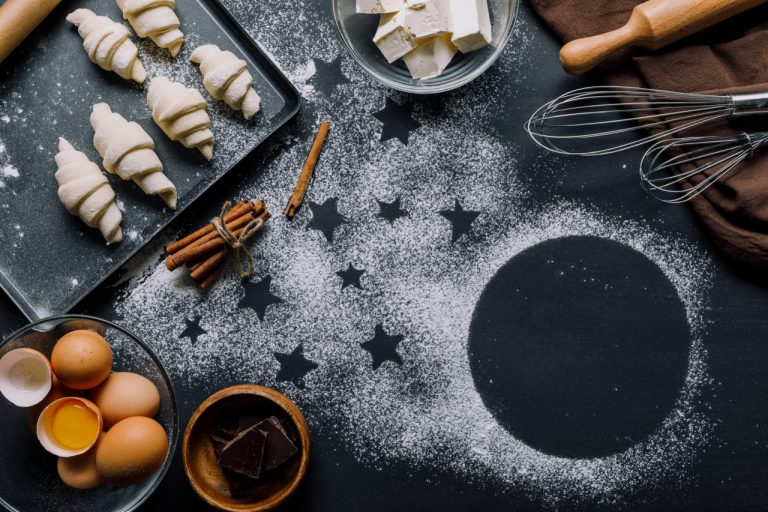
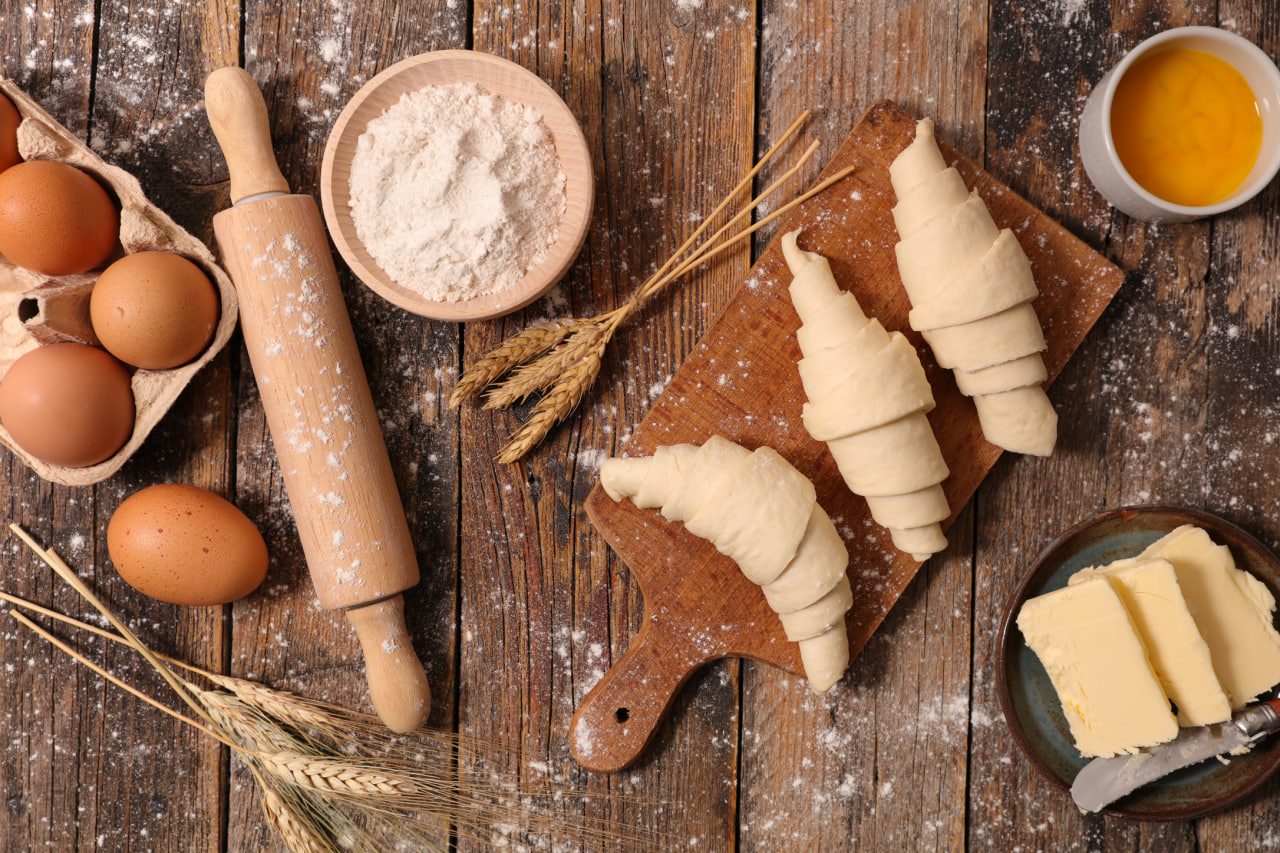
It’s the precision that matters. When you’re working with laminated doughs like you use to make croissants or puff pastry, you want to create a flaky, delicate texture by folding dough and fat together. And you have to make sure the butter stays cold, so that it doesn’t just melt into the dough.
If you’re making pastry for tarts and pies, known as shortcrust pastry, you want to handle it as little as possible to avoid the risk of over-developing the gluten and ending up with a tough crust. But if you mix it correctly, chill it and roll it well, your pastry will be flaky and short.
The Basics of Cake and Batter
The goal in cake making is to produce a soft and fine texture with good keeping quality. Incorporation of air during the creaming of butter and sugar is a primary leavening factor in cakes. Folding in the whole eggs or egg whites beaten to incorporate air helps strengthen the cake structure and contributes to its volume.
Accuracy is key in sweet desserts. Too much or too little flour, sugar or liquid can make a big difference in the final texture, weight and flavor. At least in the beginning, try to stick to a recipe before you start to play around with it.
Flavoring and Enhancing.
This also applies to sweet baked goods. Add a little vanilla, some citrus zest, a bit of cocoa, nuts, or other flavor extracts to increase the depth of flavor in your sweet treats. Add some cinnamon, nutmeg, or cardamom to provide warmth and aroma. Balance out the sweetness with some acidity, saltiness, or bitterness, and you will have a more interesting and tasty dessert.
But fillings and frostings—custards, creams, ganaches, fruit purees—can also be a great way for amateur bakers to introduce textural and flavor contrasts that elevate a perfectly pleasant pastry into something special.
Cooking Temperature/Time
It is also important to control the temperature when baking pastries and sweets. An over heated oven can make a cake fall or a pastry burn, and an under heated oven can cause your baked goods to be dense and uncooked. Checking to see that your oven is at the right temperature, preheating, and setting a timer are ways to keep your oven at a controlled temperature.
Keep in mind that baking time can be influenced by your choice of pan, type of oven, and ingredients. This is also a good point to make if you find that recipes are not turning out as expected (for example, the tops are too dark or the bottom is still raw).
Dissimilarities: Some Differences Are Common To Sweet Baking
Common problems for new bakers include irregularly raised cakes, fissured tops and dense crumb. Most of these issues are caused by improper measuring, overmixing, incorrect oven temperature or incorrect timing. Mastering the basics and paying attention to the ingredients will avoid these issues.
Some things like getting the frosting to be the right consistency, or forming the dough into the right shapes can take a bit of time and patience. Having the right tools can help and it’s a good idea to practice some of these things before putting the dessert together. It can make a big difference in the way that your dessert looks and tastes.
Here are some additional techniques used in making pastries:
More experienced home bakers may choose to try their hand at more complex pastries, like choux pastry (used to make éclairs and profiteroles), laminated dough (for croissants) or meringue-based desserts. These can be layered, folded or piped into all manner of shapes and designs.
But trying different flavors, fillings, and textures is a great way to add your own flair to your baking, and to turn ordinary home-baked goods into special treats.
Gaining Self-Confidence
As with all baking, the more you do pastry and sweet baking, the better you will become. With each recipe you will learn about accuracy and time management, how ingredients work together, and by writing down your observations and tweaking your methods, you will eventually be able to work alone with more assurance.
Mastering the basics enables you to make not only tasty but beautiful desserts and pastries. The best thing about sweet baking is that it is forgiving. With a little patience, detail, and imagination, sweet treats can be made from ordinary ingredients.