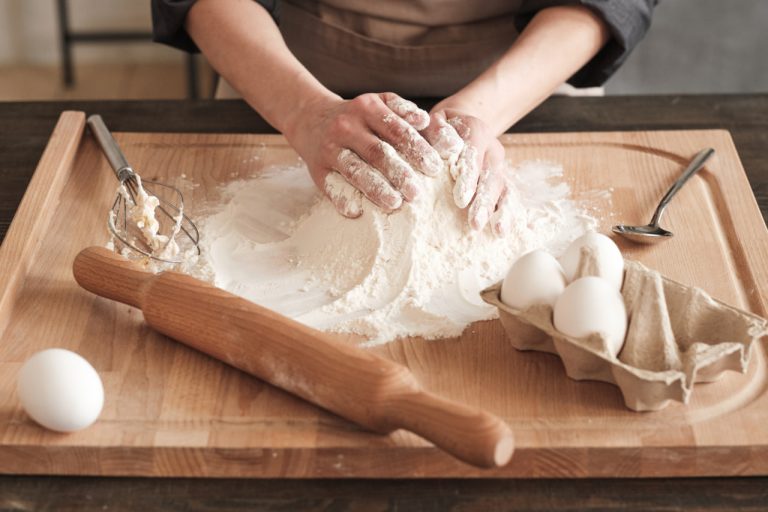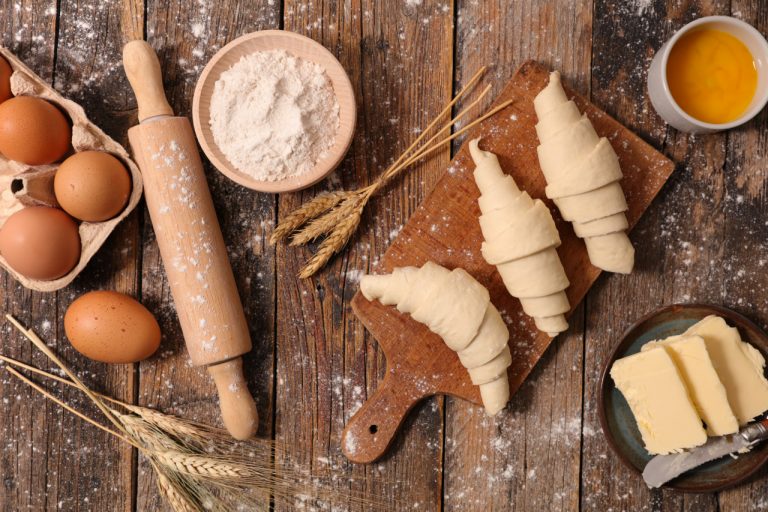
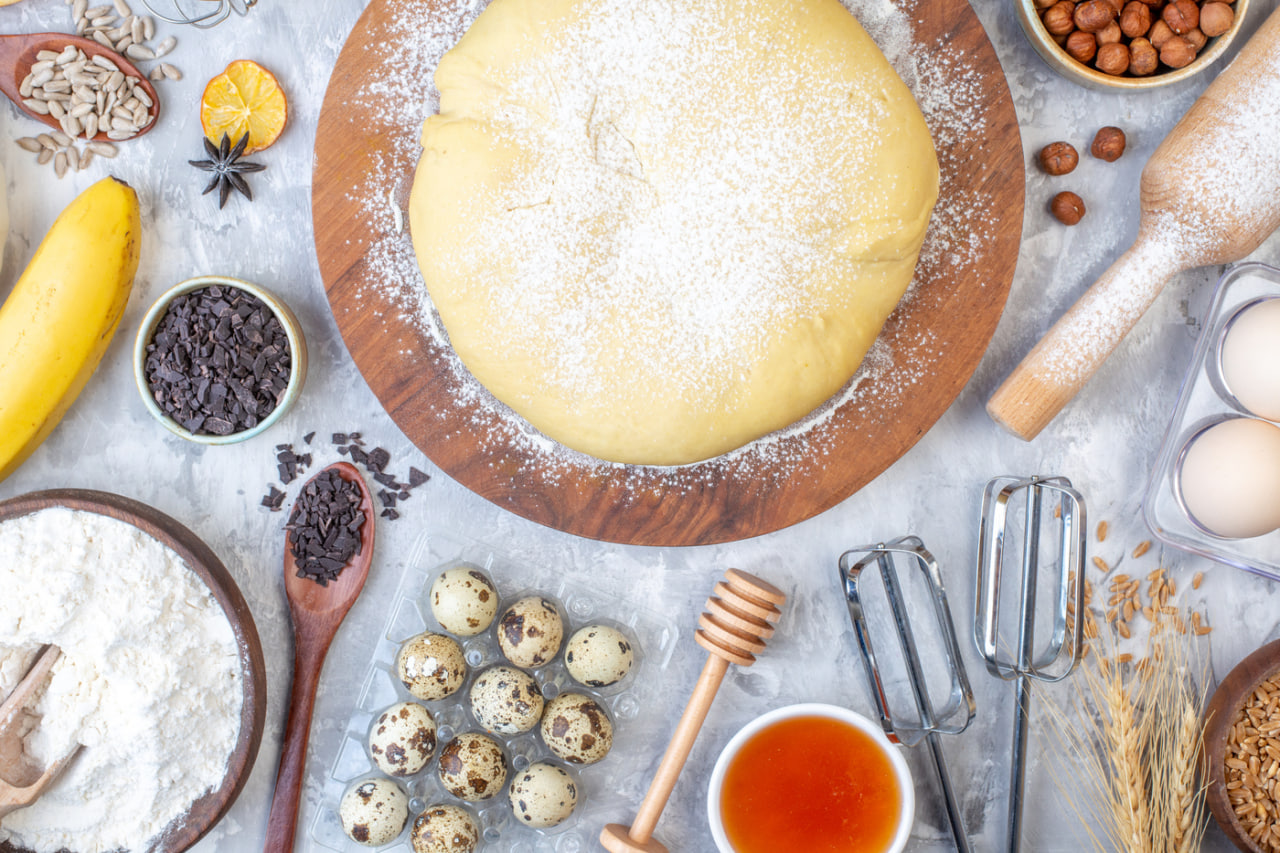
Alternative/healthy baking: This is when you bake tasty things, but with healthier ingredients or methods. This can include things like baking with whole wheat, reducing sugar, or going gluten-free. If you want to have your cake and eat it too, but also care about your health or the environment, this might be the style for you. You’ll need to know how to substitute different ingredients, how to balance different nutrients, and other things like that.
Switching to whole-grain flours
Using whole-grain flours, like whole wheat, spelt, oat, or rye, adds extra fiber, vitamins, and minerals, flavor and texture to breads, muffins, and baked goods.
Because whole-grain flours absorb more liquid and lead to denser doughs, you might need to tweak their liquid content and mixing. Blending whole-grain flours with other lighter flours or pre-soaking them, however, can make for tender, airy products that are more nutritious.
Less Sugar, Same Taste
Sugar serves a variety of functions in baked goods, including providing sweetness, holding onto moisture and creating browning. If you are going to reduce sugar, you have to know how it functions.
You can also try replacing refined sugar with honey, maple syrup, coconut sugar, or even fruit purees, which not only add sweetness, but also provide extra nutrition. When using any of these sweeteners, you may need to modify the liquid content and baking time of your recipe to achieve the desired consistency and taste. Additionally, you can try adding more spice, extracts, or grated citrus peel to create the illusion of sweetness without the sugar.
Nuts, avocados, and olive oil are all examples of healthy fats that can be added to meals and snacks to increase satiety.
Instead of using butter or shortening, try using olive oil, coconut oil, peanut butter, or even mashed avocado to add moisture and flavor to your baked goods. Plus, these ingredients are packed with healthy fats.
Knowing the role of fats when it comes to texture is also crucial. Fats are responsible for the flakiness in a pie crust and the moisture in a cake and muffin. Using a combination of fats or tweaking the proportion of one to the other will give you the desired texture without sacrificing flavor.
Before diving into the recipes, it’s important to know some essentials about gluten-free baking:
Gluten-free baking is a must for anyone who suffers from celiac disease or gluten intolerance. It means you need to understand which alternative flours to use, such as rice, almond, coconut, or chickpea flour.
Gluten acts as a binder so in its absence, you might need a binder like xanthan gum, psyllium husk or eggs. You can also try mixing different flours together and tweaking the liquid content to help mimic the texture and structure of a conventional baked good. It’s important to understand the properties of different gluten-free flours to ensure success.
Vegan and Plant-Based Alternatives
When you’re baking vegan, you’re obviously not using eggs, milk, or butter. Flax and chia eggs, nut milks, vegan butter, and aquafaba are all popular swaps.
However, keep in mind that you may need to modify recipes as a result of the substitutions and that some flavor and/or texture may be lost. Incorporating flavorful plant-based ingredients, such as nut butters, coconut, or fruit purees, can add flavor, preserve moisture, and provide structure.
The nutrients in baked goods can be balanced.
While healthy baking involves a lot of substitutions, it’s also about providing nutrients. Fruits, vegetables, seeds, nuts, and whole grains help add vitamins, minerals, fiber, and protein to baked goods.
By incorporating more nutritious ingredients, baking is often less dependent on processed or refined ingredients, yielding treats that are fulfilling, healthy, and filling, all without sacrificing taste or pleasure.
Healthy Baking
Don’t forget to measure: Whole grain and other alternative flours behave differently in terms of liquid absorption.
Adjust the baking time and temperature as necessary: different sweeteners and fats can cause baked goods to darken more quickly or slowly.
Add some texture: seeds, oats, and purees all contribute to a nice crumb and texture.
Experiment gradually: replace one ingredient at a time to see how it behaves.
Promoting Greener and More Considered Baking
Another benefit of healthier, alternative baking is that it encourages you to think about the food you’re using, reduce food waste, shop seasonally and purchase sustainable ingredients. It connects nutrition, flavor and sustainability and allows you to enjoy your love of baking in a guilt-free way.
Building Confidence and Creativity
A benefit of becoming a healthier and alternative baker is that you will begin to feel more comfortable with different ingredients, recipes and flavors. There is so much to learn with each different type of flour, sweetener, fat and flavoring.
Ultimately, this education will enable bakers to develop their own healthy recipes while still being able to indulge in the creative and rewarding elements of baking. Alternative baking makes it possible to have your cake and eat it too (literally).